The Foundation: Why Data Matters in Residential Design 📊
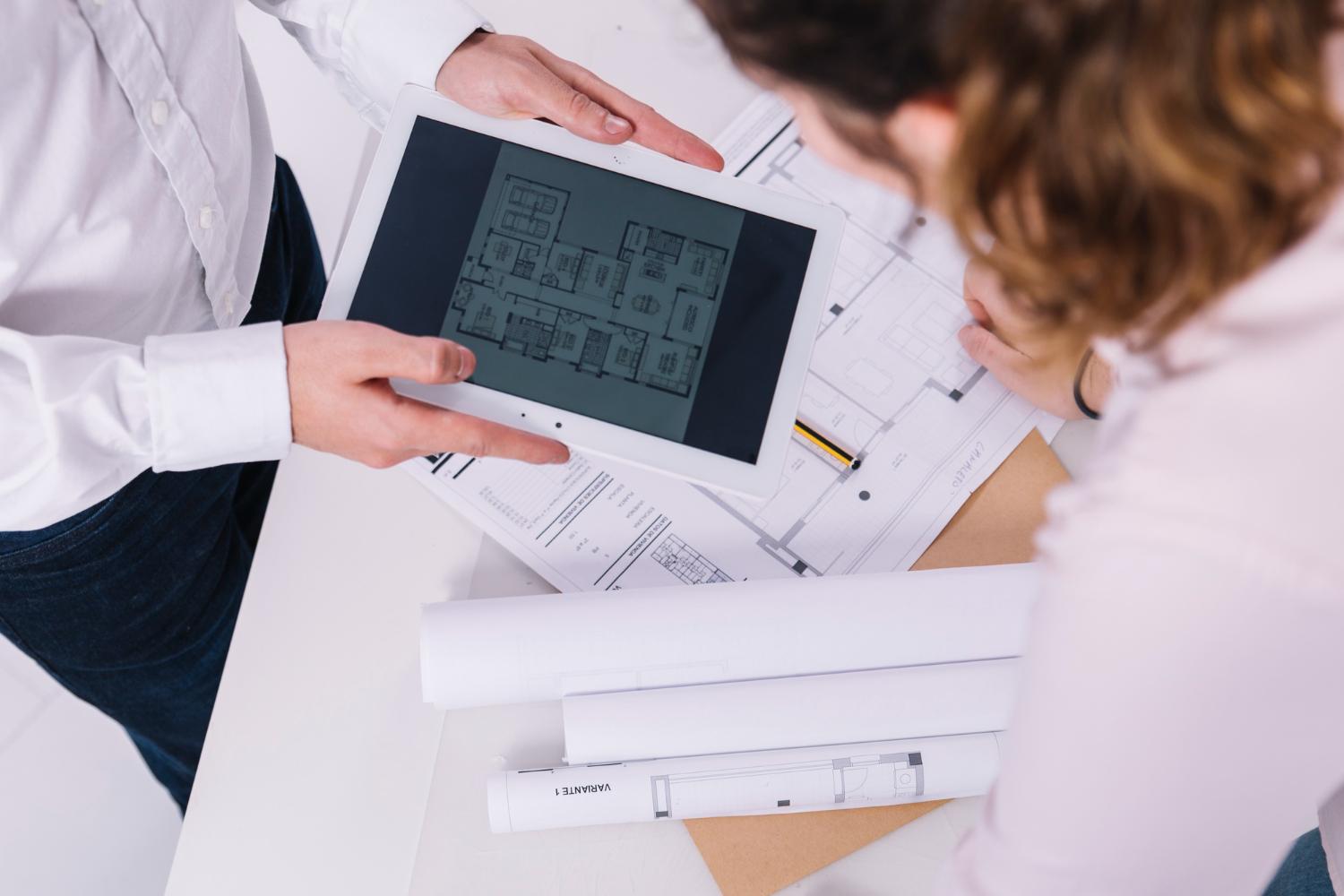
Residential design generates vast information. Data is often scattered across blueprints, spreadsheets, and emails. This fragmentation leads to inefficiencies, misunderstandings, and costly revisions, impacting timelines and client satisfaction. A more unified system is clearly needed for modern projects.
Historical methods relied on manual data handling and siloed systems. Different professionals used separate tools, creating data transfer bottlenecks. This lack of a unified environment made tracking changes and consistency difficult. This often led to a reactive management style, addressing issues only after they emerged.
The modern era demands sophisticated methodology. Strategic data organization has proven transformative for efficiency and innovation across sectors. Residential design is no exception. Structured, accessible project data can fundamentally alter home building, moving it towards greater precision and predictability.
This shift is not merely about new software; it's a fundamental change in information management. Projects with well-organized data frameworks experience fewer errors, smoother communication, and expedited regulatory processes. The potential for enhancing project quality and client experience through diligent data stewardship is clear.
Insights from the Field: Core Principles of Data Organization ✨
- Organized project data significantly reduces design errors and rework. A unified source ensures all stakeholders work with current, accurate information, minimizing discrepancies between design and construction.
- Centralized data repositories foster enhanced collaboration among diverse project teams. Sharing a common platform improves communication, leading to quicker decision-making and a cohesive project execution strategy.
- Structured data management streamlines regulatory compliance. Having all necessary documentation, specifications, and revisions readily accessible makes permit applications and inspections more efficient and less prone to delays.
Beyond the Blueprints: Analyzing the Impact of Data Management 💡
Organized project data impacts every phase of residential design. During initial design, access to historical data and specifications empowers designers to make informed choices. This proactive approach avoids costly late-stage design conflicts and material incompatibilities.
The permitting process, a significant bottleneck, can be dramatically accelerated. When required documents are organized and retrievable, submitting a complete application is less daunting. This precision reduces back-and-forth, shortening approval times. PermitPacket Desk simplifies this critical step.
On the construction site, clear, consistent data is invaluable. Builders quickly access the latest blueprints and material schedules, minimizing misinterpretations. This ensures the physical structure aligns perfectly with design intent. Clarity helps maintain schedules, keeps teams focused, and prevents costly delays.
While benefits are compelling, implementing robust data organization systems presents initial considerations. An upfront investment in time and resources for frameworks and training is needed. However, this effort is offset by long-term savings through reduced errors and improved efficiency. PermitPacket Desk simplifies this transition.
Ultimately, organized project data translates directly into a superior client experience. Projects are delivered more smoothly, on schedule, and within expected parameters, leading to greater satisfaction. Homeowners appreciate transparency and peace of mind from a well-managed process, fostering enduring relationships.
Paving the Way Forward: Strategic Applications of Data Excellence 🚀
- Embracing a data-centric approach in residential design is a necessity for achieving superior project outcomes. It leads to greater efficiency, accuracy, and client satisfaction.
- The systematic organization of project data serves as the foundational pillar for modern residential construction. It enables seamless collaboration and mitigates common pitfalls that plague traditional methods.
- Future advancements in residential design will heavily rely on further integrating and innovating data management practices. This will lead to more sophisticated and responsive building processes.






This article perfectly articulates the importance of clear communication in residential design. As a designer, I constantly strive to ensure my clients feel heard, and this piece really reinforces that value. The points on visual communication are particularly insightful.
While the article highlights many valid points, I wonder if it sufficiently addresses the challenges of communicating with clients who are unsure of their own preferences. Sometimes the 'gap' is internal to the client, not just between client and designer.